
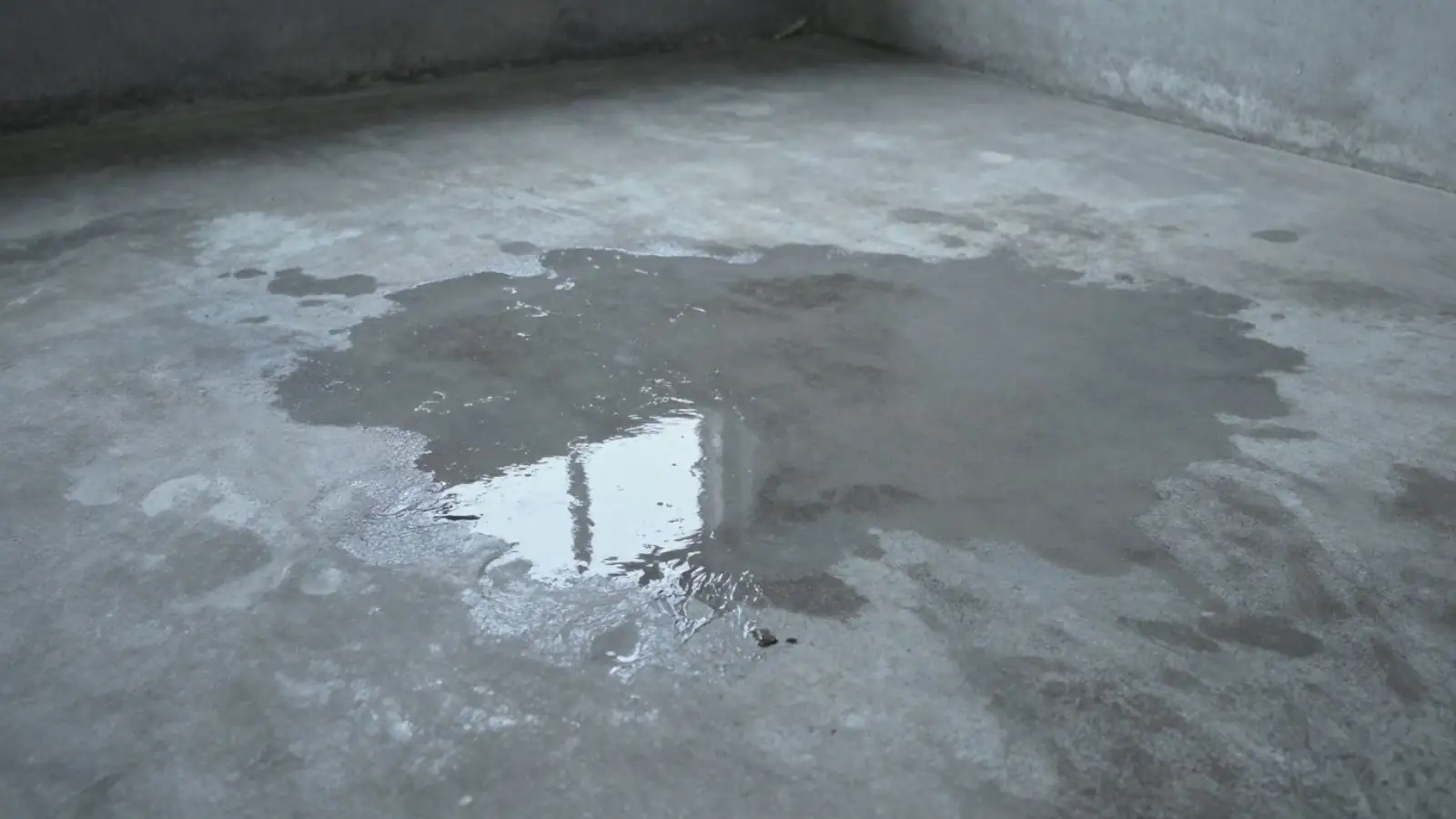
How a slab leak happens in a Grapevine house
A slab leak in Grapevine, TX means a water supply line, a drain line or a hot water line has failed where it runs through or beneath the concrete foundation. Even a pinhole pushes water up through slab cracks and edges.
Slab foundations are common here, but a slab leak is only one of several reasons a floor turns wet. A toilet supply, shower pan or air handler can look the same from the surface, so confirm the source before tearing into flooring.
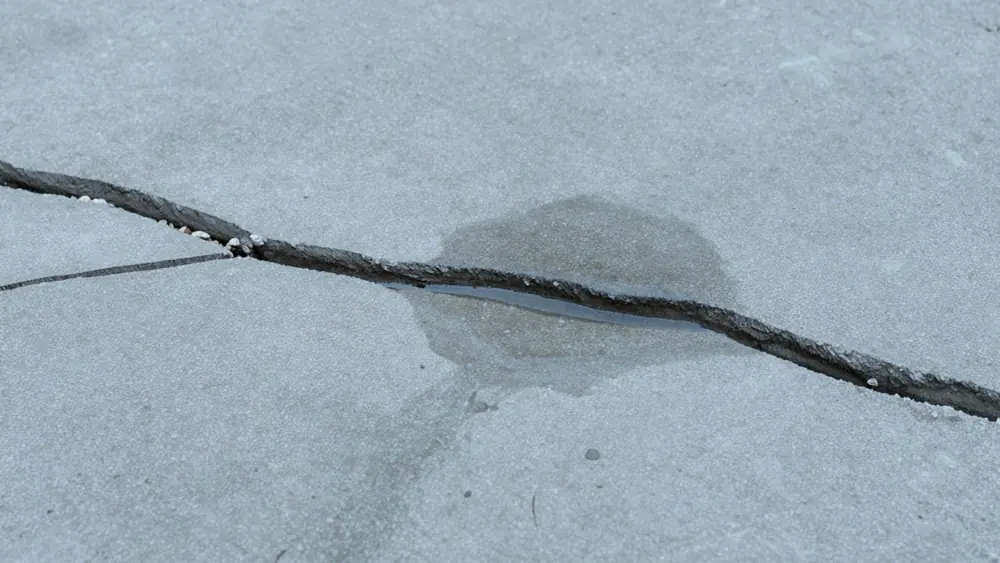
Signs that point to water under the floor
Each clue below has a likely meaning, though none proves a slab leak alone.
| What you notice | What it may mean |
|---|---|
| A floor spot that feels warm underfoot | A hot water line leaking beneath the slab |
| A faint hiss or running sound with every fixture off | Pressurized water escaping somewhere in the structure |
| Damp carpet or lifting laminate along one wall | Moisture rising through the slab or wicking up the baseboard |
| A monthly water bill far above normal use | A hidden leak running day and night |
First-hour safety steps for a wet slab floor
Stop at any step that feels unsafe.
- Look at the main water meter with every fixture off. If the dial keeps turning, close the main shutoff valve to the house.
- If water touches outlets or the panel, stay out and call the electric utility or 911 before you call us. Cut power only from a dry, reachable panel.
- If you smell gas, leave the house and call the gas utility or 911 from outside.
- Lift rugs, boxes and electronics off the wet floor.
- Photograph the damp area, the baseboards and the meter reading with the time shown.
How we dry a floor that got wet from below
Once the plumber has stopped the leak or you have closed the main valve, our crew works in this order.
- Read the floor and wall bottoms with moisture meters and scan with a thermal imaging camera to outline the wet footprint.
- Pull up wet carpet and pad, or lift floating planks, so the slab surface can breathe.
- Cut drywall about 2 feet up where wicking shows, and pull wet baseboards and insulation.
- Set air movers along the floor and LGR dehumidifiers in the room, with drying mats on hardwood when a board can be saved.
- Return every day or two to read the meters and move equipment until the slab and framing test dry.
Concrete holds water longer than wood or drywall. Crews follow the published ANSI/IICRC S500 reference standard for water damage work.
Floor wet and the cause unclear?
Tell the dispatcher what you see and where. We explain the scope before work begins.
Who fixes the leak and who dries the house
We are a water damage crew, not a plumber. A licensed plumber locates the leak with acoustic or pressure testing and repairs it. Drying cannot finish while the pipe still leaks.
Our part is to dry the flooring, baseboards and wall bottoms, and to record moisture readings and photos you can hand to your insurer. When the wet area spreads, water mitigation covers wider drying.
What changes the cost of slab leak drying
Cost follows the size of the wet floor, the flooring type, how far up the walls the moisture traveled and the number of drying days. Hardwood often needs the longest schedule, and a drain line leak is handled differently from clean supply water.
Tear-out and access add to the scope. Scope and price are explained before work starts, and you can ask what each part covers.
Slab leaks and your insurance policy
Coverage often turns on whether the water release was sudden or gradual. A line that failed all at once may be treated differently from seepage that went on for months, and many policies exclude the second kind. Check your policy and ask your insurer how it reads a slab leak.
Keep the water bill that shows the jump and the plumber's written findings. We do not promise how a claim will be decided.
Grapevine local note: bills, water supply and plumbing permits
The City of Grapevine's Water and Wastewater Division handles billing, and the utility billing office sits at City Hall on S. Main Street. If a bill climbs with no change in habits, ask that office about it and then check your pipes.
A city page from Euless explains that treated water from the Trinity River Authority is delivered to Grapevine and several neighbors. So a street-wide pressure problem is a call to the city, while a wet floor inside your walls is your plumber's job.
Texas Department of Insurance guidance says most policies exclude gradual leaks and seepage, and flood damage needs a separate flood policy. A slab leak can run quietly, so report at the first symptom and keep dated meter photos. The City of Grapevine's Building Inspection Department says plumbing, electrical and mechanical work fall under one combined permit application, so ask the department's phone line whether your plumber's slab repair needs one.
Mistakes to avoid with a suspected slab leak
The first mistake is covering the problem with new flooring before the source is found. Fresh planks over a wet slab trap moisture. The second is waiting for a stain to grow.
Do not hammer into the floor to look for a pipe. Call a plumber for detection, then call us to dry. For a floor that stays damp after the repair, water damage cleanup and mold remediation are the next calls to consider.
Where we dry slab floors
Crews dispatch from Grapevine to nearby towns including Colleyville and Coppell. If a slab leak has already flooded rooms, emergency water removal pulls out the standing water first, and every option is listed on the services page.
Slab leak damage: what people ask us in Grapevine
Yes. Our line is answered 24 hours a day, and we offer same-day response when crew availability allows. We never promise an arrival time, so closing the main valve while you wait helps limit the damage.
A warm floor spot, the sound of running water and a meter that moves with all fixtures off lean toward a slab leak. Only a plumber's leak detection confirms it, because a toilet supply or shower pan can look the same.
No. A plumber repairs or reroutes the line. We dry the floor, wall bottoms and baseboards after the water is stopped and document the readings.
Expect roughly 3 to 7 days for many rooms, longer for hardwood. Daily meter readings decide when equipment comes out.
It depends on the policy and on whether the release was sudden or gradual. Many policies exclude long-term seepage, so ask your insurer before repairs begin.