
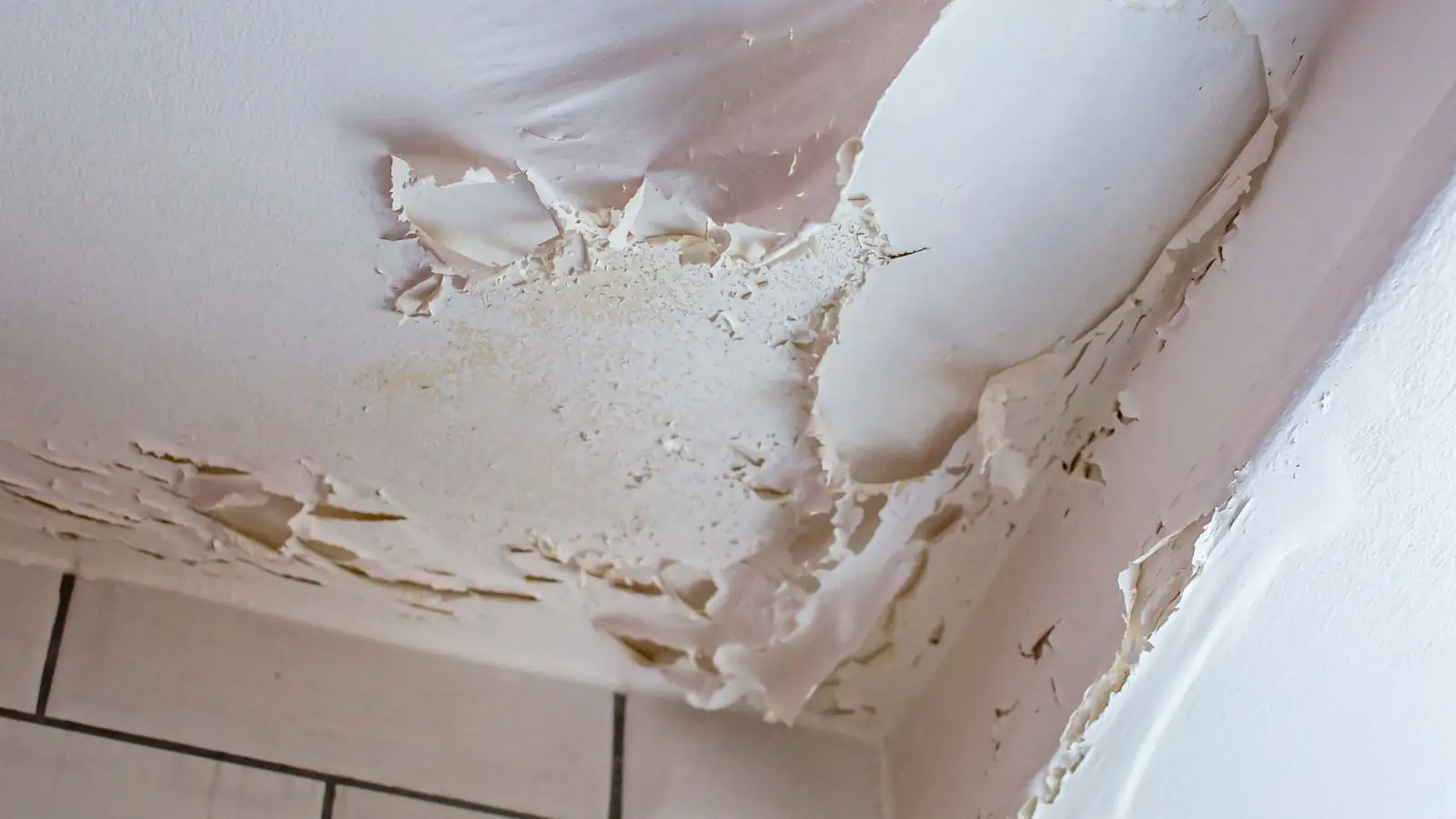
How a roof leak reaches your ceiling in Grapevine
Roof leak water damage in Grapevine, TX usually starts at a weak point such as a lifted or cracked shingle, worn flashing around a chimney or vent pipe, a skylight curb or a damaged ridge cap. Wind-driven rain and hail often open these spots. Water then follows gravity into the attic.
It rarely drops straight down. Water runs along the roof deck, down a rafter or across the top of a duct before it soaks insulation and the drywall beneath. A hallway stain can sit a long way from the shingle that let the rain in, which is why the entry point is hard to guess.
Our crew dries the structure and a roofer repairs the roof. We do not patch shingles or flashing. A roofer should find the entry point so the drying does not start over with the next rain.
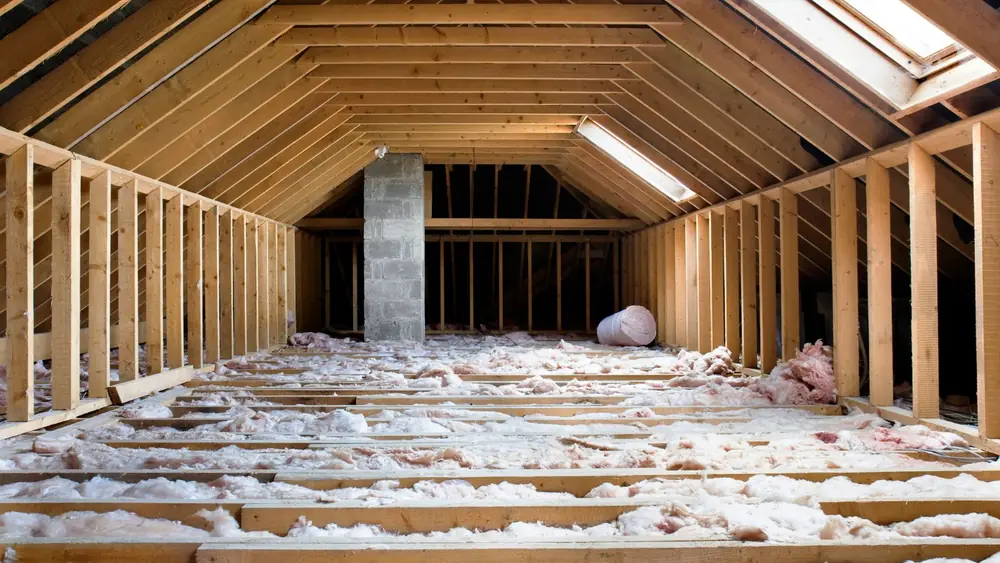
Reading ceiling and attic clues
What you see overhead tells you how urgent the situation is.
| What you see | What it means | Urgency |
|---|---|---|
| Brown ring that spreads after rain | Water reaches the drywall and the roof opening is still active | Call the same day |
| Bulge or sag in the ceiling | Drywall is holding water and can release it suddenly | Keep people out from under it |
| Drip at a light fixture or vent | Water is following wiring or ductwork, which adds electrical risk | Stay clear and follow the safety steps below |
| Musty smell in an upstairs closet | Insulation or deck sheathing has stayed damp | Dry the attic soon |
| Damp spots or daylight on the attic deck | A live entry point near the roof surface | Call a roofer for cover now |
First-hour safety when rain is coming through
Rain may still be entering, so the aim is to keep people safe and limit what gets wet.
- If a ceiling fixture, fan or outlet is wet or dripping, stay out of the room and call the electric utility or 911 before you call us. Cut power only from a dry panel you can reach safely.
- Stay out from under a bulging ceiling, since drywall full of water can drop without warning.
- Set buckets under drips and carry furniture, rugs and electronics out of the room.
- Do not climb onto a wet roof. Call a roofer to cover the opening.
- Photograph and video each stain, drip and damaged item before anything is moved.
How we dry the attic and the ceiling below
Crews follow the ANSI/IICRC S500 reference standard for water damage work, and the steps shift with how far the water traveled.
- Map wet areas with moisture meters and a thermal imaging camera from the room below, then confirm what is above.
- Pull saturated attic insulation, which presses water onto the ceiling and dries slowly in a closed attic.
- Open or remove soft or bulging drywall so trapped water drains and the cavity can dry.
- Extract water from carpet and floors under the leak with extraction units.
- Place air movers and LGR dehumidifiers, with drying mats on hard floors the water reached.
- Return to re-read moisture each day and stop only when the materials test dry.
When an attic is tight or the debris is heavy, containment barriers and HEPA air scrubbers keep dust out of the living space.
Stain spreading on the ceiling?
Tell the dispatcher which rooms are wet. We explain scope and price before any work begins.
Cost factors for attic and ceiling drying
The size of the wet area drives most of it, along with insulation type and depth, ceiling size and texture, how much drywall must be removed and how many days equipment runs.
Water that ran through finished rooms below costs more to dry than a leak caught at the attic floor. Scope and price are explained before work starts.
Insurance, storm damage and roof leaks
Wind or hail that opens a roof is often treated as sudden damage, while a leak from worn roofing can be treated as a maintenance issue. Check your policy and ask your insurer how it treats each cause.
Roof repair and interior drying may be handled differently, so ask how each is covered. Moisture readings and dated photos from our visits help an adjuster review the loss. We do not promise approval.
Grapevine local note: summer heat, hail and the drying window
Texas Department of Insurance guidance on hail and windstorms says a policy may pay for temporary repairs, so remove standing water, cover openings so rain cannot get in, save receipts, take photos and video, and keep damaged items until the insurer says otherwise. Have your roofer tarp the opening and file that invoice with your photos.
General climate descriptions of North Central Texas call it humid subtropical, with long hot summers and short mild winters. A closed attic in that heat stays hot and still long after the rain ends, so wet insulation up there will not dry quickly alone.
U.S. EPA mold guidance says wet materials dried within 24 to 48 hours generally avoid mold growth. Treat that as your target, so call about drying the same day you see the stain and line up the roofer in parallel.
Mistakes to avoid after a roof leak
Painting over a ceiling stain hides moisture that is still inside. Another is waiting for a dry day to call, when insulation keeps pressing water into the drywall in the meantime. Skipping the attic check is a third, because the worst of it is often above the ceiling.
Many people throw out wet items too early. Keep them until your insurer has seen them. Have a roofer inspect flashing and shingles after hard storms.
Crews serving Grapevine and nearby towns
We dispatch from Grapevine to Flower Mound and Euless for ceiling and attic losses. If the leak came with a larger weather event, see storm water damage.
Once drying is done, drywall repair closes the opening in the ceiling. For a damp smell that lingers, ask about mold remediation.
Common questions after a roof leak in Grapevine
Yes. The line is answered 24 hours a day, every day. Same-day response is offered when crew availability allows, and no arrival time is promised. Photograph the damage and move valuables while you wait.
No. A roofer tarps or repairs the roof. We remove water, find hidden moisture and dry the attic and ceiling so the repair is not sealed over a wet structure.
Water travels along the deck, rafters and ductwork before it breaks through. The visible stain marks where it finally reached drywall, not where it entered.
Usually yes. A bulge means the drywall is holding water and may fail. Keep people out from under it, and a crew can open it so the water drains in a controlled way.
Often 3 to 5 days, depending on insulation, how far the water traveled and what the meter readings show. We adjust equipment each visit rather than using a fixed schedule.