
Why household appliances leak in Grapevine, TX homes
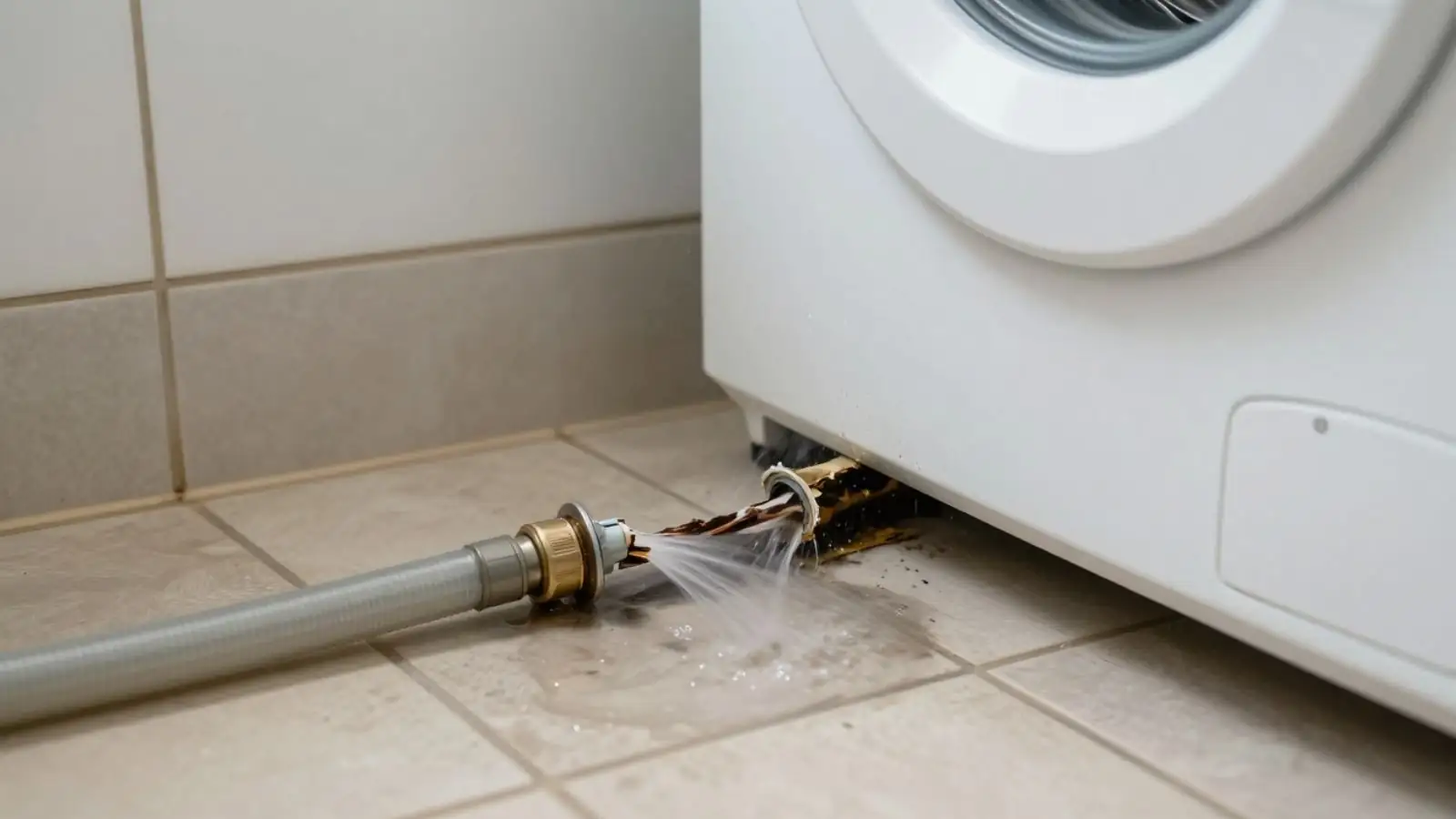
Appliance leak water damage in Grapevine, TX most often begins at a connection, not the machine itself. Washer supply hoses stay under line pressure around the clock, dishwasher drain lines clamp onto fittings that loosen, and refrigerator ice-maker tubing is thin plastic or braided line running behind the unit.
Rubber hoses harden and crack with age and with the swings of a humid summer. A burst hose can run for hours on a day when the house is empty, which turns a single failed fitting into a soaked room with wet drywall, flooring and subfloor.
Which machine is the likely culprit
Where the water sits usually points to the source.
Washing machine
Water near the back wall, a wet laundry floor or a stain on the ceiling below usually means a supply hose or drain standpipe.
Dishwasher
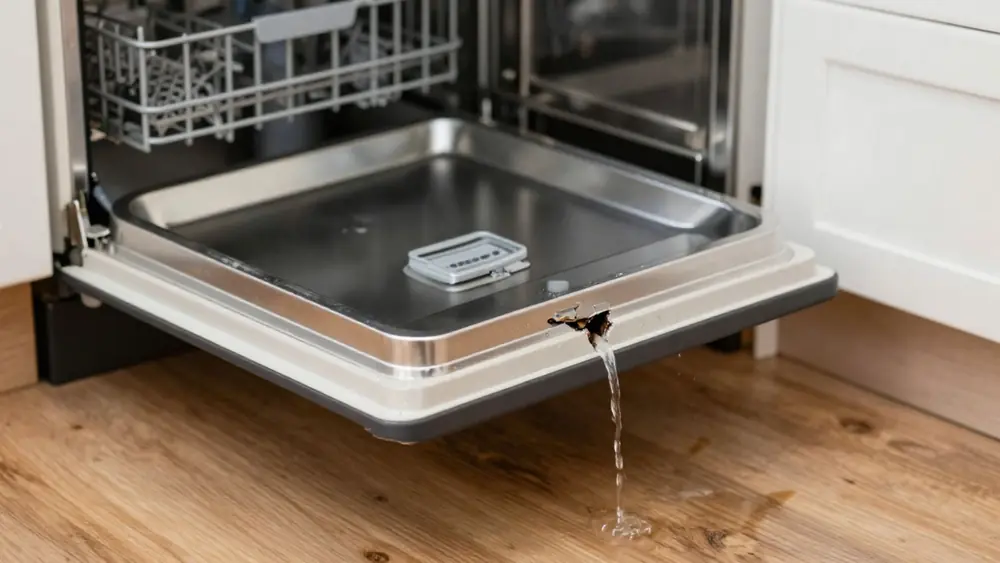
Swollen cabinet bases, a soft floor in front of the unit or a damp toe-kick point to the door seal, supply line or drain hose.
Refrigerator
A damp patch behind the unit or buckling floorboards nearby often traces to the ice-maker or water-dispenser line.
Safety steps before you pull anything out
Appliances plug into outlets that may be wet, so slow down.
- If water reaches outlets, a power strip or the panel, do not touch them. Call the electric utility or 911 before calling us.
- From a dry, reachable panel, switch off the breaker feeding the room.
- Close the valve behind or beside the appliance. If you cannot find it, use the main shutoff.
- Move rugs, baskets and boxes off the wet floor.
- Photograph the model label, the hose or fitting and the wet area before anything is moved.
Do not tip or drag a heavy appliance through standing water. Pulling it can tear a line loose and make the leak worse.
How we find, extract and dry
The sequence changes with the machine, and the wider drying plan follows water mitigation practice.
- Confirm the appliance supply is shut and the water is no longer moving.
- Extract pooled water with a portable extraction unit and a weighted wand on flooring.
- Check floors, cabinet bases and wall bottoms with a moisture meter, then follow the damp with a thermal imaging camera.
- Lift vinyl, pull toe-kicks or remove baseboard where readings show trapped moisture.
- Place air movers and an LGR dehumidifier, and add drying mats for hard flooring.
- Revisit and log readings until each material reads dry.
Crews follow ANSI/IICRC S500 as the published reference for water damage work, and the dated readings go into your file.
Water under a machine?
Describe the appliance and the room. We lay out scope and price before any work begins.
Slow weeps that rot the subfloor
Not every appliance leak is dramatic. A dishwasher drain clamp can seep a cupful per cycle, and the water runs under the cabinet or into the subfloor where no one looks. Plywood subfloor swells, the floor edges lift and a faint musty smell shows up long before any puddle.
Picture a washer in a hallway closet with a slightly weeping hose. For months the floor under the machine stays wet, and by the time a stain appears on the ceiling below, the damage reaches the framing. Pull-back checks with a meter find this early.
What changes the cost of an appliance leak job
Several things set the price: the amount of water, whether it is clean supply water or drain water, the size of the wet area, the flooring and cabinet materials, how many days of drying equipment run and how much must be opened up.
Access matters too, since a washer in a tight closet takes more effort. You get the scope and the pricing explained in plain terms before the crew starts.
Insurance and appliance leaks
The Texas Department of Insurance consumer guidance says most homeowners and renters policies cover sudden and accidental water damage, such as a broken washer hose, and mold that grows on a covered damaged item is covered too. Read your own policy, since wording differs. Ask your insurer about deductibles and about any gradual seepage exclusion.
Keep the failed hose or part, because an adjuster may want to see it. Our readings and photos document the water path without promising how a claim turns out.
Grapevine local note: the water bill, the supplier and your leak
The City of Grapevine's utility billing FAQ says the city does not estimate meter reads, reads meters monthly, and that a failing meter tends to read low rather than high. A bill that jumps with no change in habits therefore points to real water going somewhere, so check the laundry and kitchen lines.
The City of Grapevine and City of Euless pages explain that treated water from the Trinity River Authority is delivered to Grapevine, Colleyville, Euless, Bedford and North Richland Hills. Grapevine's Water and Wastewater Division handles billing from the utility billing office at City Hall, 200 S. Main Street, which is where to ask about a bill spike.
Note the date you first saw water, since insurers treat sudden bursts and slow seeps differently.
Prevent the next failure
Swap rubber washer hoses for braided stainless ones every few years, and write the install date on the hose. Pull the washer and refrigerator forward once a year to look for damp spots or kinks. Never run a dishwasher or washer while the house is empty for a long trip.
A leak sensor on the floor near each machine tells you early, before water spreads.
Service across Grapevine and nearby towns
We serve homes in Grapevine, Coppell and Flower Mound for laundry rooms and kitchens alike. If the water spread into wider rooms, water damage cleanup covers the rest, and kitchen water damage details cabinet and floor drying.
What Grapevine homeowners ask about appliance leaks
Yes. The line is answered 24 hours a day, every day. We offer same-day response when crew availability allows and never promise a set arrival time. Closing the appliance valve while you wait helps.
Dry the floor, then watch for fresh water after a wash or dishwasher cycle. A flashlight behind the machine and a paper towel under each fitting show the wet spot. Water that returns with nothing running suggests a supply line.
For a small spill on a hard floor, yes. If water went under cabinets, behind a baseboard or into a floor seam, a fan only dries the surface while the subfloor stays wet. A meter reading tells you.
No. An appliance technician or plumber fixes the hose or machine. We remove the water, dry the structure and document the damage.
Most appliance leaks dry in about 2 to 5 days. Hardwood, thick subfloor and cabinets take longer, and the moisture readings set the pace.